

Give Service
Volunteer Service
To remain certified, Master Naturalists complete 40 hours of volunteer service and 8 hours of advanced training each year. Master Naturalists record and track their hours via our online reporting system.
Master Naturalists begin their service once training ends. Volunteer service ensures that Master Naturalists use their skills and make a sustained, meaningful impact within their communities. We can help you find an opportunity that is meaningful to you. In order to qualify, service must be:
- Unpaid
- Under the direction of an organization (Master Naturalists tend to volunteer with state parks, friends groups, nature centers, statewide programs, and local non-profits)
- Located in Wisconsin (Approved activities in Minnesota, Michigan, Illinois, or Iowa will also be accepted)
Master Naturalist volunteer service should relate to one of the following Master Naturalist themes:
Column One
This is a short description of the content in this column. Don’t forget to make the button a link (or remove it).
Column Two
This is a short description of the content in this column. Don’t forget to make the button a link (or remove it).
Column Three
This is a short description of the content in this column. Don’t forget to make the button a link (or remove it).
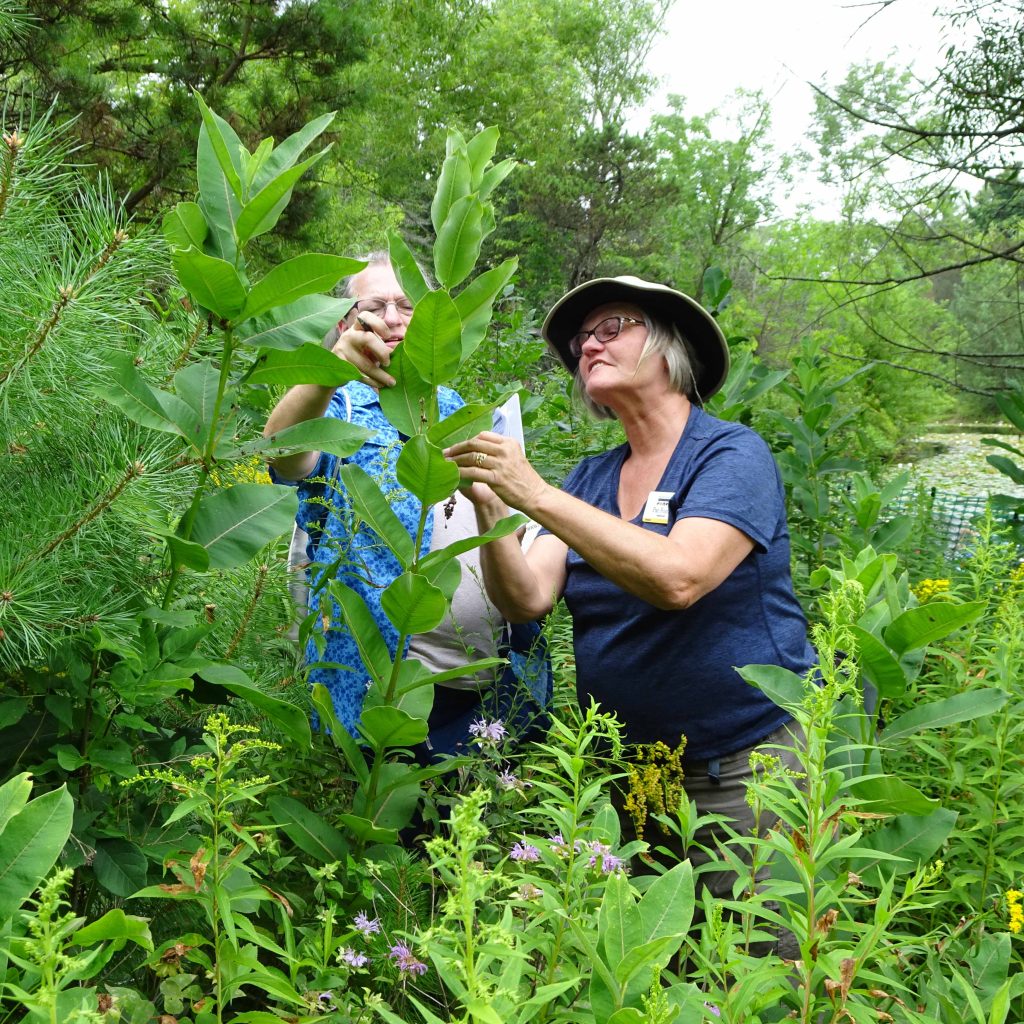
Photo Credit © WMN
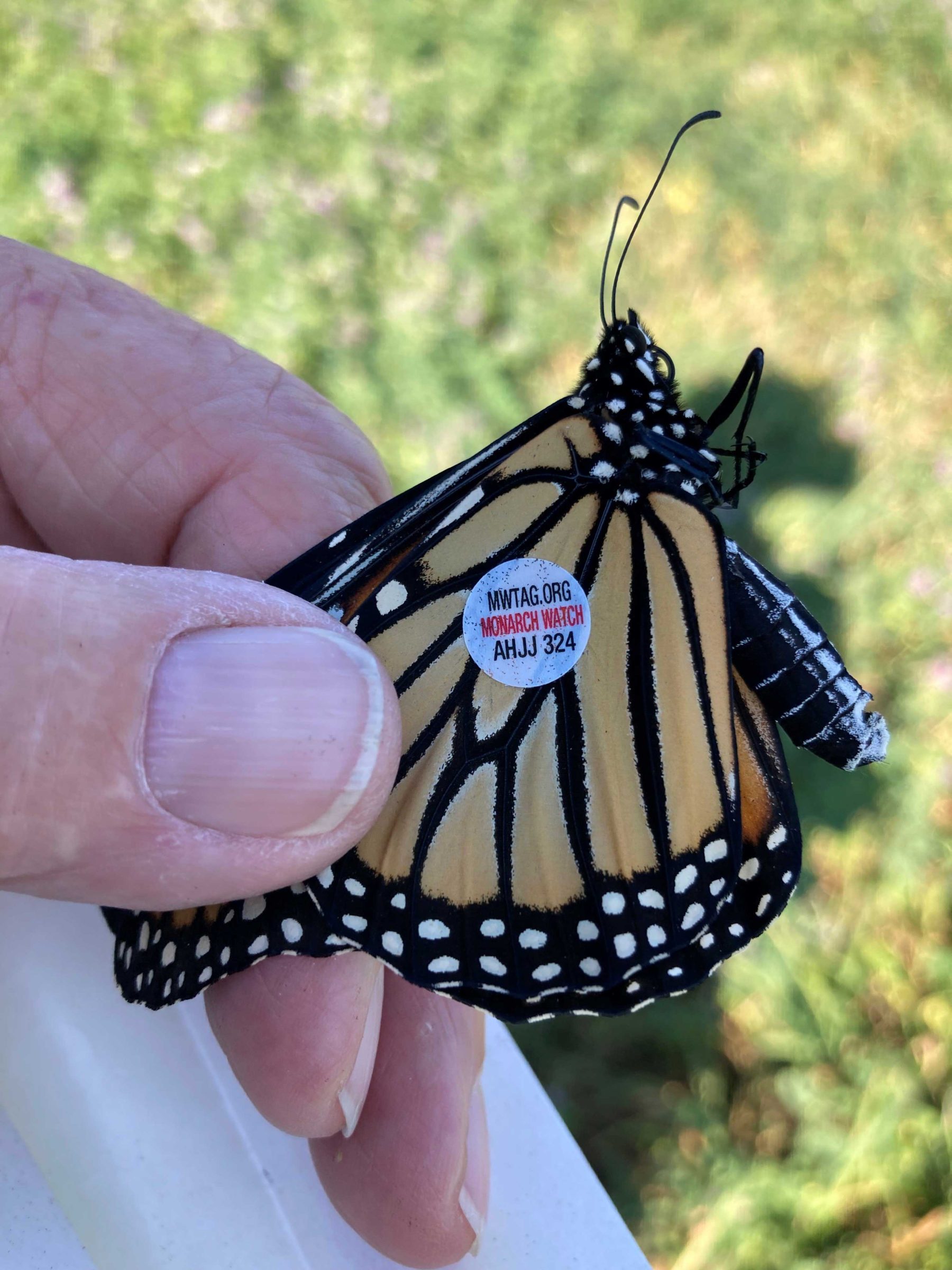
Citizen Science: gathering data to support research projects, such as monarch larval monitoring, plant or animal surveys, or water quality monitoring.
- Participating in the Christmas Bird Count
- Monitoring water quality
- Collecting data on monarch larvae
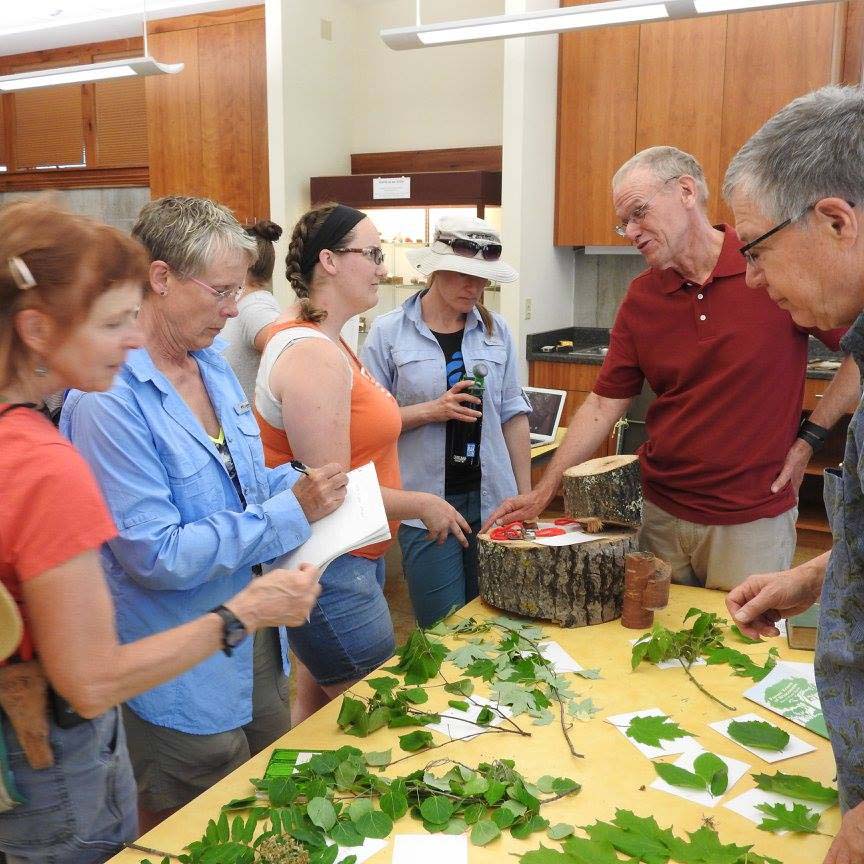
Photo Credit © E. Stone
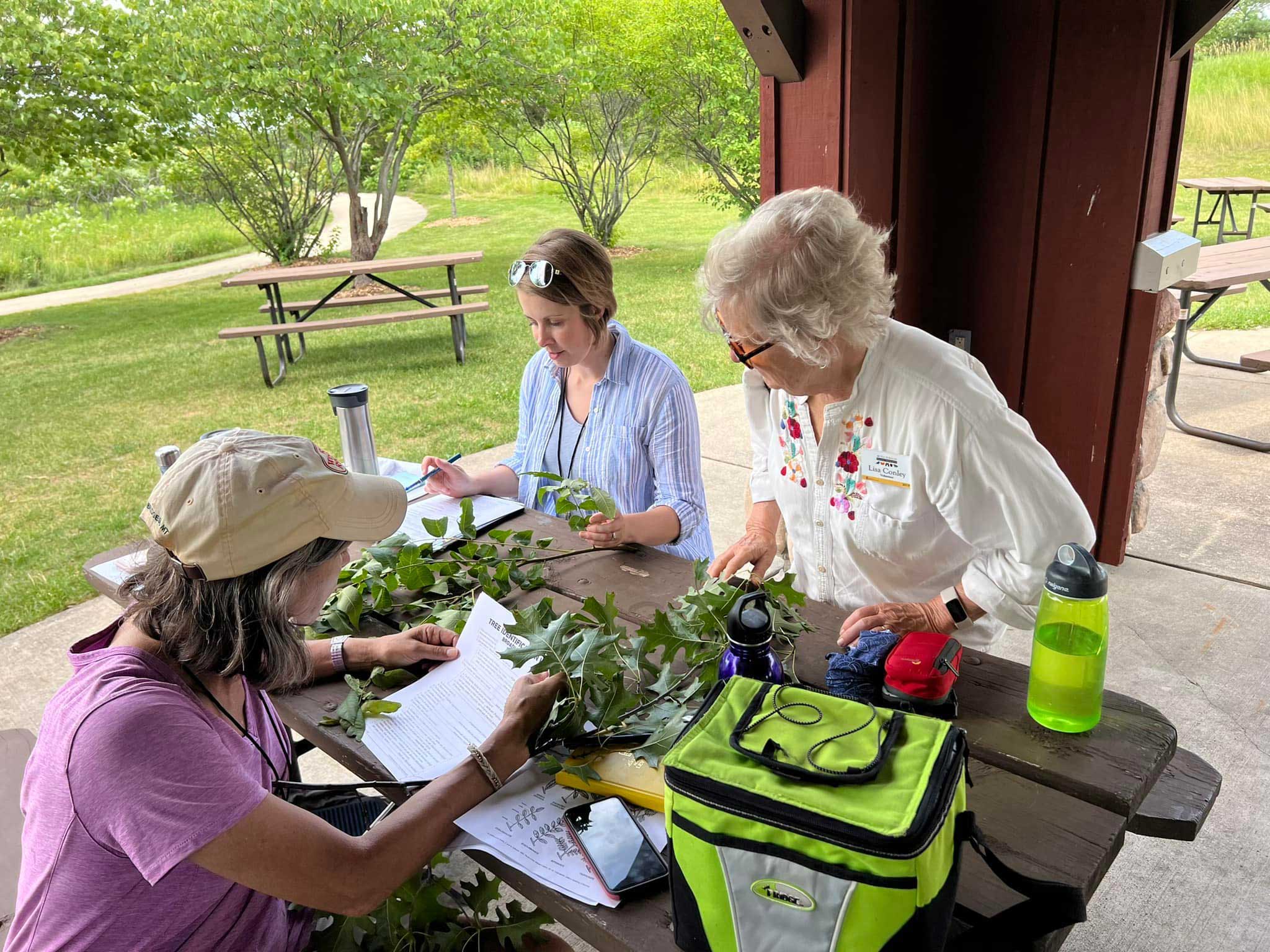
Education/Interpretation: outreach to the public, such as presenting natural resources information, developing educational materials, or leading natural history walks.
- Leading or assisting with a natural history walk
- Creating a brochure or sign for a natural area
- Assisting with an environmental education program for a school
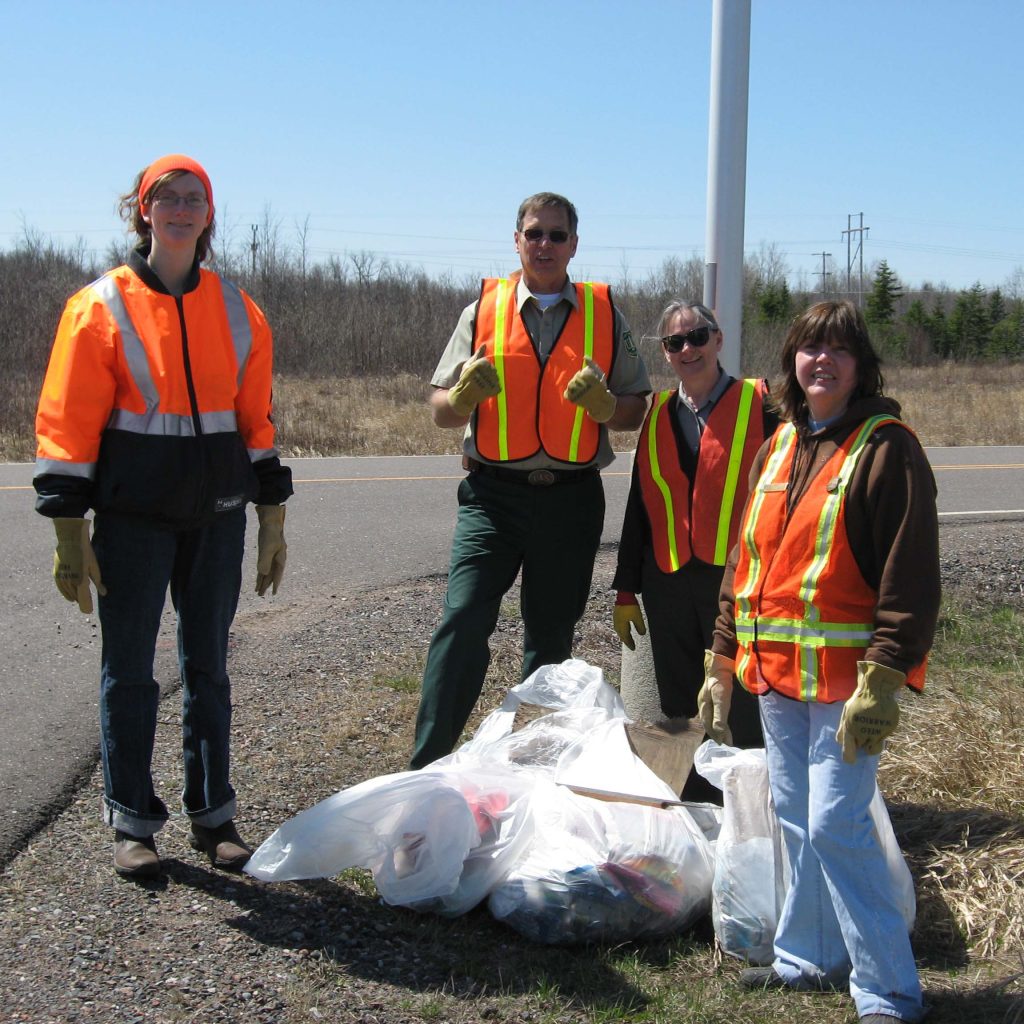
Photo Credit © NGLVC
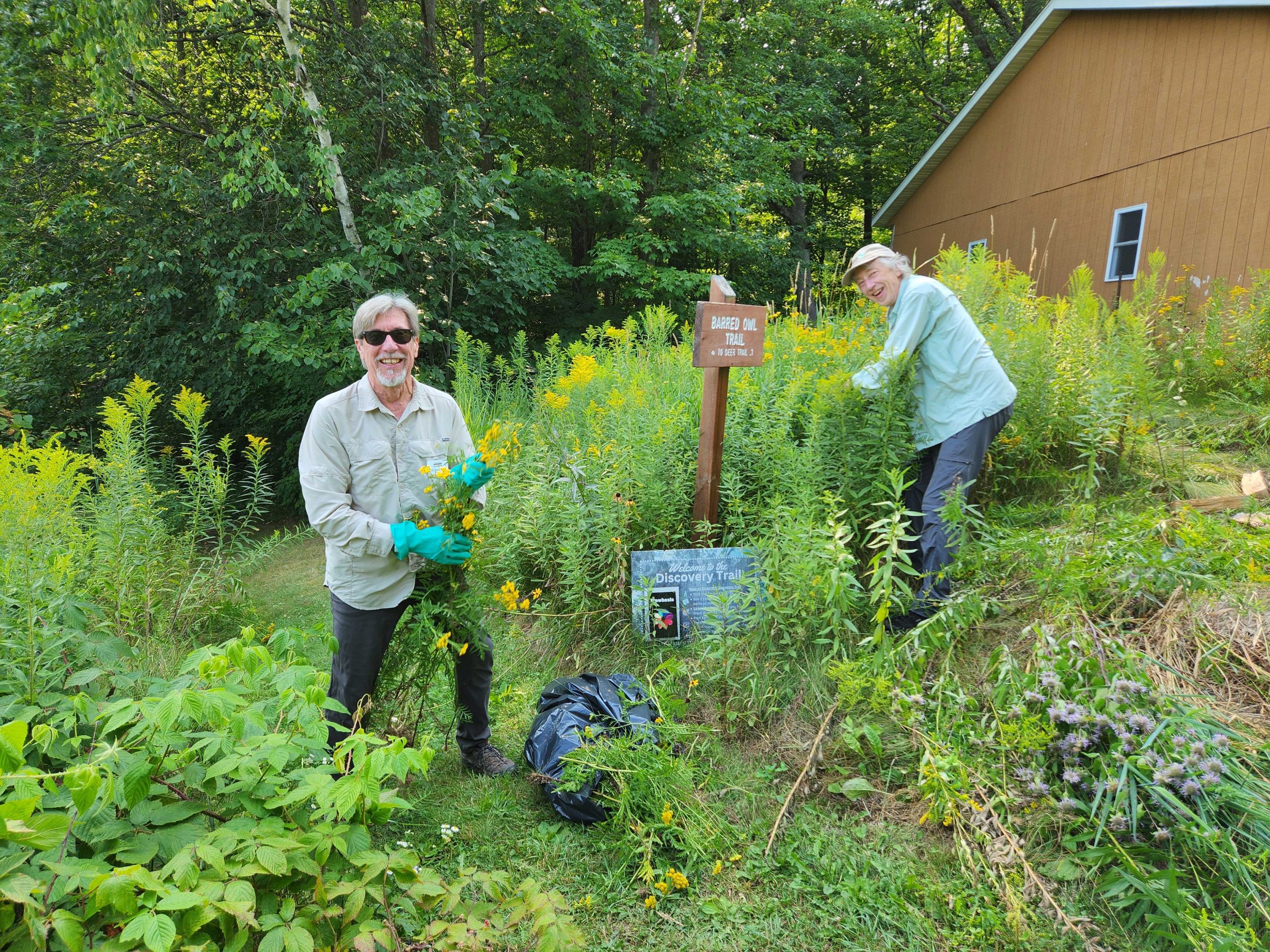
Stewardship: natural resources management activities, such as trail work, invasive species removal or restoration projects.
- Leading an invasive species removal project
- Assisting with restoration (collecting seeds, planting native species)
- Working on trails to prevent erosion
While the following activities are valuable, they do not meet the qualifications listed above and should not be recorded as Master Naturalist service hours:
- Teaching your grandchild about monarch butterflies
- Creating a rain garden in your yard
- Collecting phenology data not related to an organization’s research project
- Picking up litter at the beach on your own